
Blog
Pure African Voacanga Origins Benefits and Why Quality Matters
Jan
Pure African Voacanga Origins Benefits and Why Quality Matters
Pure African Voacanga Origins Benefits and Why Quality Matters Pure African Voacanga has gained growing attention worldwide for its deep roots in traditional African culture and its wide range of ethnobotanical uses. Sourced from the Voacanga africana tree, this powerful natural plant has been valued for centuries by indigenous communities for its spiritual, cultural, and holistic significance. Today, demand for pure African Voacanga continues to rise among collectors, researchers, and individuals interested in natural plant products.
In this guide, we explore what makes Voacanga africana special, its traditional uses, how to identify high-quality Voacanga, and why choosing a trusted source is essential.

What Is African Voacanga?
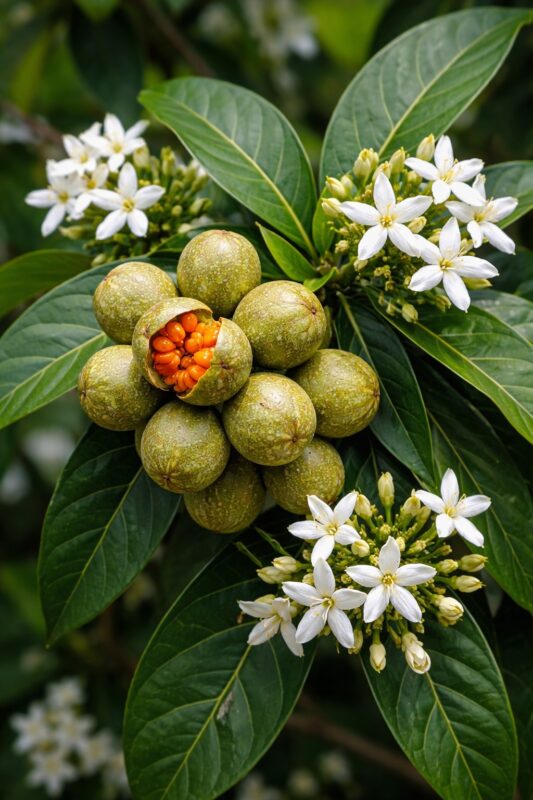
Voacanga africana is a flowering tree native to West and Central Africa, particularly found in countries such as Nigeria, Ghana, Cameroon, and Côte d’Ivoire. The seeds, bark, and root bark of the tree are traditionally used in ceremonial and herbal contexts.
Pure African Voacanga refers to Voacanga that is naturally harvested, carefully dried, and preserved without chemical treatment or artificial enhancement. Authentic Voacanga is known for its earthy aroma, dense texture, and rich natural composition.
For generations, Voacanga has been an important part of African ethnobotany, valued not only for its physical properties but also for its symbolic and spiritual role in traditional practices.
Traditional and Cultural Significance
In African tribal traditions, Voacanga has long been associated with spiritual awareness, inner reflection, and ceremonial rituals. Local healers historically used it in guided settings as part of traditional knowledge systems passed down through generations.
Unlike mass-produced botanical products, pure African Voacanga represents a deep connection to nature, ancestry, and indigenous wisdom. This cultural heritage is one of the key reasons Voacanga remains respected and sought after today.
Potential Ethnobotanical Benefits
While modern research on Voacanga is still developing, ethnobotanical interest in this plant continues to grow. Traditionally, Voacanga has been associated with:
-
Mindful awareness and introspection
-
Spiritual exploration in ceremonial contexts
-
Cultural rituals and ancestral practices
-
Botanical research and study
-
Natural plant collection and preservation
It is important to note that Voacanga is typically discussed in traditional and research-based contexts, not as a commercial supplement or medical product. Responsible sourcing and ethical use are essential.
Why Purity Is Important
When buying African Voacanga, purity is one of the most important factors. Low-quality or improperly handled Voacanga may lose its natural integrity, aroma, and botanical value.
High-quality pure African Voacanga should be:
-
Naturally sourced from mature Voacanga africana trees
-
Free from additives, fillers, or chemical processing
-
Properly dried to preserve its natural structure
-
Stored in controlled conditions to maintain freshness
Pure Voacanga reflects authenticity, sustainability, and respect for traditional harvesting methods.
How to Identify High-Quality African Voacanga
If you are considering purchasing Voacanga, here are a few indicators of premium quality:
-
Natural Appearance – Authentic Voacanga has a firm texture and organic color variations, not uniform or artificial coloring.
-
Fresh Aroma – A strong, earthy, plant-based scent indicates proper drying and storage.
-
Ethical Sourcing – Reputable suppliers work directly with African harvesters or trusted distributors.
-
Clear Product Information – Reliable sellers provide transparent details about origin, handling, and quality standards.
Avoid products that lack sourcing details or appear overly processed.
Growing Global Demand for African Voacanga
As interest in ethnobotanicals and traditional plant knowledge grows globally, pure African Voacanga has found a place among collectors, researchers, and individuals exploring natural heritage plants.
Many people are turning away from synthetic alternatives and seeking authentic botanical products rooted in cultural history. This shift has increased awareness about sustainability, ethical trade, and respect for indigenous knowledge.
Responsible Use and Legal Awareness
Voacanga is best approached with respect and responsibility. Laws and regulations regarding ethnobotanical plants may vary depending on country or region, so it is important to stay informed about local guidelines.
Pure African Voacanga is typically offered for research, educational, or collection purposes. Responsible sellers emphasize transparency and ethical practices while encouraging informed decision-making.
Why Choose a Trusted Source for Pure African Voacanga?
Purchasing Voacanga from a reliable supplier ensures you receive a product that is authentic, ethically sourced, and carefully handled. A trusted source prioritizes:
-
Quality assurance
-
Sustainable harvesting
-
Respect for traditional knowledge
-
Customer education and transparency
When you invest in pure African Voacanga, you are not just buying a botanical product—you are supporting cultural preservation and responsible trade.
Final Thoughts
Pure African Voacanga stands out as a powerful symbol of Africa’s rich ethnobotanical heritage. With its deep cultural roots, natural integrity, and growing global recognition, Voacanga continues to attract interest from those who value authenticity and quality.
Whether you are a researcher, collector, or enthusiast of traditional plant knowledge, choosing high-quality pure African Voacanga from a reputable source ensures a meaningful and respectful experience. As interest in natural and ethically sourced botanicals grows, Voacanga remains a timeless representation of nature, tradition, and cultural wisdom.
