
Blog
Iboga Root Bark: Benefits Uses and Traditional Origins
Jan
Iboga Root Bark: Benefits Uses and Traditional Origins
Iboga root bark has gained global attention for its deep cultural significance, traditional uses, and potential wellness benefits. Derived from the Tabernanthe iboga plant, native to Central Africa, this powerful botanical has been use for centuries in spiritual, ceremonial, and traditional contexts. Today, interest in iboga root bark continues to grow as people seek natural plant-based remedies and ancestral knowledge rooted in tradition.
In this guide, we explore the origins, benefits, uses, and cultural importance of iboga root bark, providing a well-rounded understanding of why it remains such a respected natural substance.
What Is Iboga Root Bark?
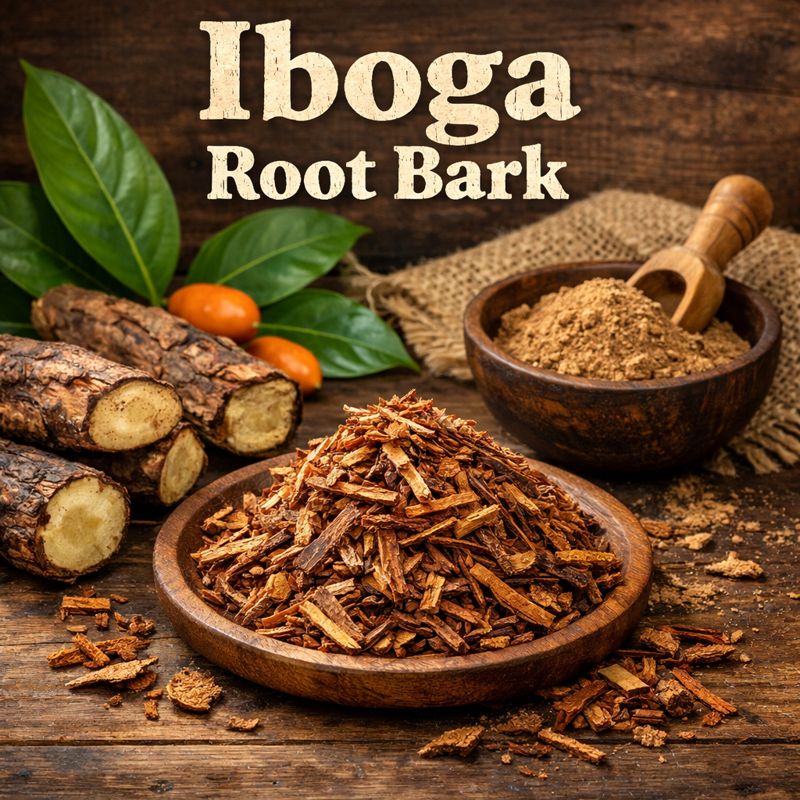
Iboga Root Bark: Benefits Uses and Traditional Origins. Iboga root bark comes from the roots of the Tabernanthe iboga shrub, primarily found in Gabon, Cameroon, and the Congo Basin. The bark of the root contains naturally occurring alkaloids, most notably ibogaine, which is responsible for many of its traditional and researched effects.
For generations, indigenous communities have harvested iboga root bark sustainably, treating it as a sacred plant rather than a commercial product. Its use is deeply intertwined with ritual, spirituality, and healing traditions.
Traditional Origins of Iboga Root Bark
Bwiti Spiritual Tradition
The most well-known traditional use of iboga root bark comes from the Bwiti religion, practiced among the Fang, Mitsogo, and Babongo peoples of Gabon. In Bwiti ceremonies, iboga is use as a sacrament to:
-
Facilitate spiritual awakening
-
Promote self-discovery and introspection
-
Connect participants with ancestral wisdom
Initiation ceremonies involving iboga root bark can last several days and are guid by experience elders or spiritual leaders. The plant is rever as a teacher and guide, not merely a substance.
Cultural Respect and Sustainability
In traditional societies, iboga root bark is harvest with rituals of gratitude, ensuring respect for nature and ecological balance. This cultural approach highlights the importance of ethical sourcing and preservation of indigenous knowledge.
Key Benefits of Iboga Root Bark
While iboga root bark has a long history of traditional use, modern interest has focused on its potential benefits. It is important to note that effects may vary, and traditional use emphasizes guidance and respect.
1. Mental Clarity and Introspection
Iboga root bark is traditionally associate with deep introspection. Many users describe enhance self-awareness and mental clarity, which is why it has been value in spiritual and personal development practices.
2. Energy and Stamina
In smaller, traditional doses, iboga root bark has been use as a natural stimulant. Hunters and villagers historically consumed it to increase alertness, physical endurance, and focus during long activities.
3. Emotional Balance
Traditional healers believe iboga root bark can help individuals confront emotional blockages and unresolved experiences. This has contributing to its reputation as a plant associat with inner balance and reflection.
4. Cultural and Spiritual Growth
Beyond physical effects, iboga root bark is widely respect for its role in spiritual growth. It is often describe as a plant that encourages honesty, discipline, and personal responsibility.
Common Traditional Uses of Iboga Root Bark
Ceremonial Use
The most significant use of iboga root bark is ceremonial. In initiation rites, it is consumed in guided settings to help participants explore their inner world and strengthen their spiritual identity.
Microdosing in Traditional Contexts
Some African traditions involve consuming very small amounts of iboga root bark for daily focus, motivation, and mental sharpness. This practice is culturally specific and guided by experience.
Herbal Preparations
Iboga root bark has also been prepared as powders or infusions in traditional medicine, often combined with other plants. These preparations were typically used under the supervision of knowledgeable healers.
Modern Interest and Research
In recent decades, iboga root bark has attracted attention outside Africa, particularly in academic and wellness discussions. Researchers have studied its alkaloids to better understand their interaction with the nervous system.
While modern science continues to explore its properties, many advocates emphasize that traditional knowledge should not be overlooked. The cultural framework surrounding iboga root bark plays a critical role in how it has been historically used and respected.
Ethical Considerations and Responsible Use
As demand increases, ethical sourcing of iboga root bark has become a major concern. Overharvesting threatens wild iboga populations, making sustainability essential.
When learning about or engaging with iboga root bark, it is important to consider:
-
Respect for indigenous cultures
-
Sustainable harvesting practices
-
Legal and regulatory frameworks in different regions
Honoring the plant’s origins helps preserve both the environment and the traditions that have protected iboga for centuries.
Why Iboga Root Bark Remains Significant Today
Iboga root bark stands out among traditional botanicals due to its unique combination of cultural depth, spiritual meaning, and natural properties. Unlike many modern supplements, its value lies not only in potential benefits but also in the wisdom and traditions surrounding it.
For those interested in ancestral plant knowledge, iboga root bark represents a powerful example of how nature, spirituality, and community intersect.
Final Thoughts
Iboga root bark is far more than a natural product—it is a sacred plant with centuries of history, deeply rooted in African tradition. From its role in Bwiti ceremonies to its reputation for introspection and clarity, iboga continues to inspire respect and curiosity worldwide.
Understanding its benefits, uses, and traditional origins allows for a more informed and respectful perspective. As interest grows, preserving the cultural integrity and sustainability of iboga root bark remains essential for future generations.
